
Exploring land and planning opportunities to meet West Midlands ambition
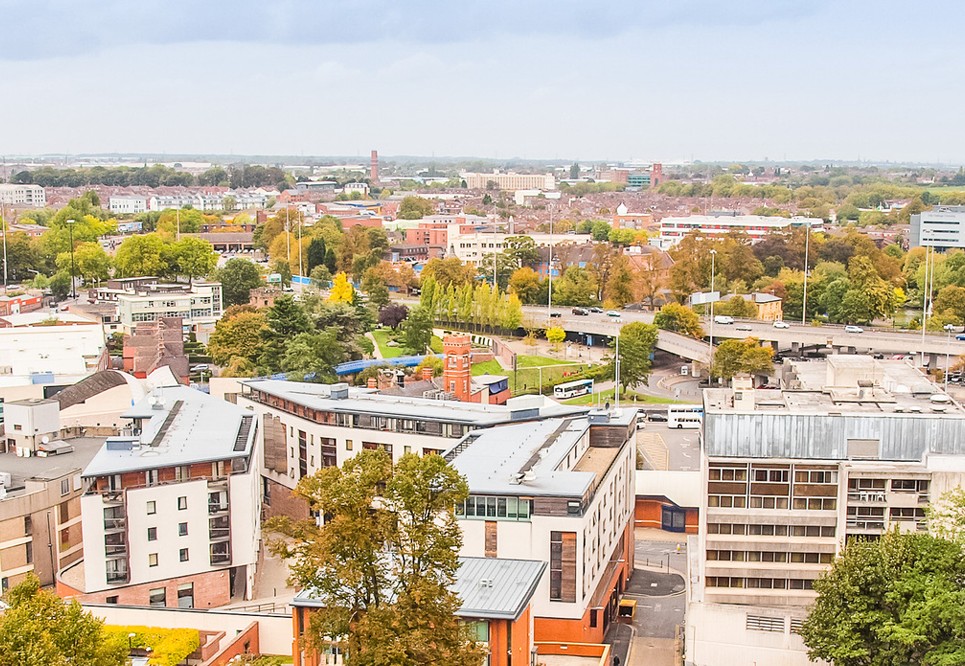

A new report by TerraQuest has shed light on the housing and development landscape across the West Midlands, revealing some interesting trends and insights.
More than £19 billion of investment opportunities have been identified across the region, spanning housing, infrastructure, regeneration and industrial development. However, the challenge is increasingly turning investor interest into projects that can be delivered.
The West Midlands Strategic Employment Sites Study estimates the region will need between 1,920 and 2,282 hectares of employment land by 2045, compared with an estimated current supply of around 1,300 hectares.
The shortfall highlights the need for strategic land identification and, coordinated planning and infrastructure investment to support business expansion and future economic growth.
Public land offers new opportunities
The report argues that there are several encouraging opportunities for investment and growth in the area.
West Midlands Public Land Charter aims to unlock more than 14,000 acres of land held by public bodies, including local authorities, NHS trusts and government departments.
Bringing these sites forward could support housing, mixed-use regeneration and employment development, particularly around transport hubs, town centres and brownfield locations.
However, identifying suitable sites early remains critical. Ownership issues, access constraints, environmental designations and planning restrictions can undermine development proposals if they are not assessed at the outset.
Combining planning data, land referencing and site deliverability assessments could help public authorities and developers identify viable opportunities sooner and reduce delays.
Housing and construction under pressure
Despite a significant development pipeline in the West Midlands, market conditions continue to present challenges. Construction activity remains subdued, while rising costs, labour shortages, financing pressures and planning delays are affecting delivery.
The region has recorded 2,664 projects worth more than £42 billion since 2018, making it the UK's second-largest regional construction pipeline after London.
Housing remains a particular concern, with 65,335 households on social housing waiting lists and 7,450 in temporary accommodation. Public investment is helping address the shortfall, including £159 million invested in brownfield regeneration since 2018 and £1.7 billion secured for a 10-year affordable housing programme.
Planning applications also point to growing demand. Housing applications in the West Midlands reached 44,521 in the second quarter of 2026, up 42.32% year on year, according to TerraQuest's planning index.
However, increased applications will not automatically translate into completed homes. With planning teams under pressure and construction capacity constrained, better site-level information and faster decision-making will be essential.
Strategic collaboration key to growth
The report outlines that the region's growth ambitions are focused around four strategic corridors: Birmingham and North Solihull Gateway, Coventry Growth Arc, Black Country Growth Corridor and Wolverhampton–Walsall Growth Cluster.
Aligning housing, employment land and infrastructure investment across these areas could help overcome local authority boundaries and create more viable development opportunities.
For landowners and developers, the priorities include identifying well-connected sites, engaging early with local authorities and infrastructure providers, and exploring opportunities for public-private partnerships.
With investment interest remaining strong, the next phase of growth will depend on whether the region can bring forward the right land at the right time.
As explored in the paper - the central challenge for the West Midlands is no longer simply attracting investment, but ensuring land supply, planning and infrastructure can keep pace with its economic ambitions.


